Updated in July 2026 and including an One Day Itinerary to cover most of the sights in District 1.
My first visit to Ho Chi Minh City was in 2010 on a short weekend trip. Since then I’ve visited it a couple more times recently, the latest being in July 2026. I’m amazed by how much the city has developed over the last 16 years when I was away. Modern skyscrapers jostle alongside colonial architecture, and a new metro line had just started operating since 2024.
Ho Chi Minh City is better known by its old name of Saigon. The name is believed to be derived from the old Khmer language “Prey Nokor,” meaning “forest city” or “city of kapok trees”. As Vietnamese settlers moved into the area during the 17th century, they began using the name “Sài Gòn” which is the Vietnamese adaptation of the Khmer name. Saigon became widely used in the 18th century and was officially adopted by French colonizers. In 1975 after the North Vietnamese captured Saigon and ended the Vietnam War, the city was renamed as Ho Chi Minh City in honour of their revolutionary leader.
The city is divided into 22 districts, with District 1 being the central business district and where many of the city’s attractions and nightlife can be found. District 5 is where you will find Chinatown, and District 2 is a new town development area where you will find many upscale condominiums.
Major Sights to Visit
Saigon Notre Dame Cathedral
This is perhaps one of the more well known sights in the city with its neo-Romanesque architecture. Built by French colonists in the 19th century, it was completed in 1880. All the materials used to build the cathedral were imported from France including unique red bricks from Toulouse that form the outer wall of the cathedral.


The photo on the left was taken in 2010 and shows how the cathedral looks like. The photo on the right is from 2024 and due to restoration works, the whole building is covered up and visitors are not allowed to enter the cathedral. The restoration works are expected to be completed in 2027.
Saigon Central Post Office
Right next to the cathedral is the iconic Saigon Central Post Office. Constructed between 1886-1891 with Gothic, French and Renaissance influences, the building’s exterior features a distinctive yellow facade with arched windows, ornate details, and a large clock at the entrance. Inside, visitors are greeted by a spacious hall with high vaulted ceilings, elegant iron supports, and wooden counters that harken back to its colonial origins. Despite it being a tourist attraction, its still a working post office and many tourists take the chance to send a postcard to their family back home for an unique experience.


The facade of the post office hasn’t changed. However, the interior is now even more crowded than I remembered from my last trip. Here is a photo of the inside from 2010 where it was much more peaceful. Right now the interior is filled with souvenir booths and packed with visitors.

Book Street
Right beside the Post Office is Nguyen Van Binh Book Street. So named because of the numerous bookshops along the sides of this short street. There are also several cafes in between the book shops. This tree lined street is a quiet respite from the crowds around the area and a good place to get your lunch or have a coffee break.


War Remnants Museum
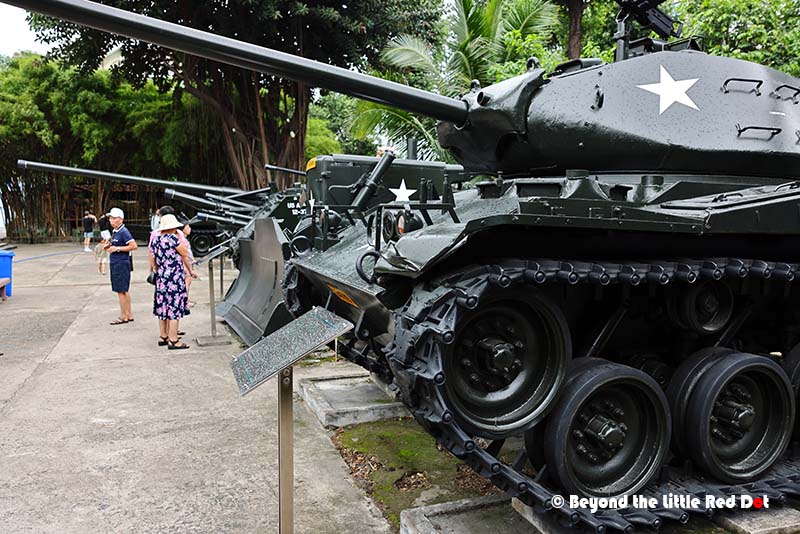
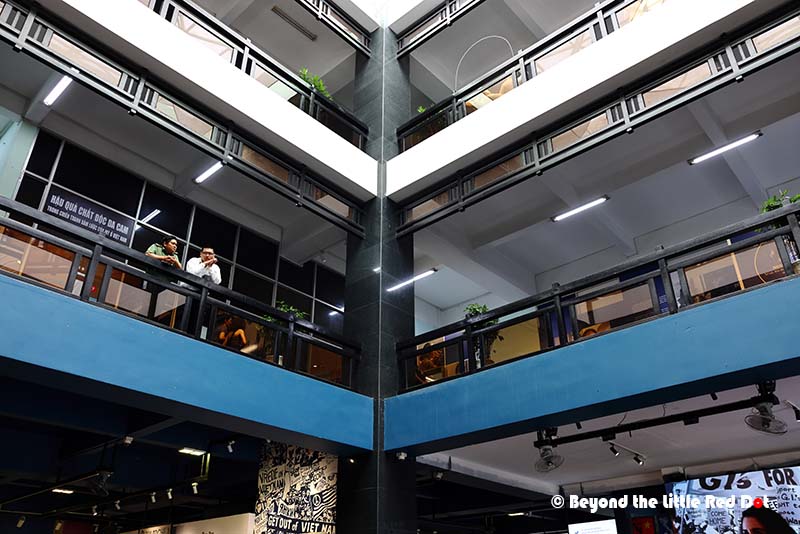
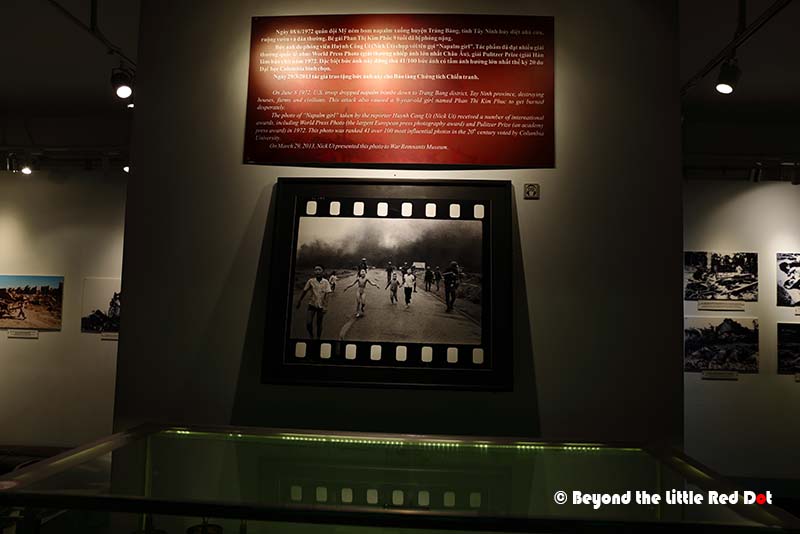
If you are interested in the history of the Vietnam War, the War Remnants Museum is an essential but emotionally heavy stop. The story is told largely from the North Vietnamese perspective, with stark photographs and exhibits showing the destruction, civilian casualties and long‑term effects of Agent Orange. It is a powerful reminder of how much ordinary people suffer in war, and not an easy place to walk through.
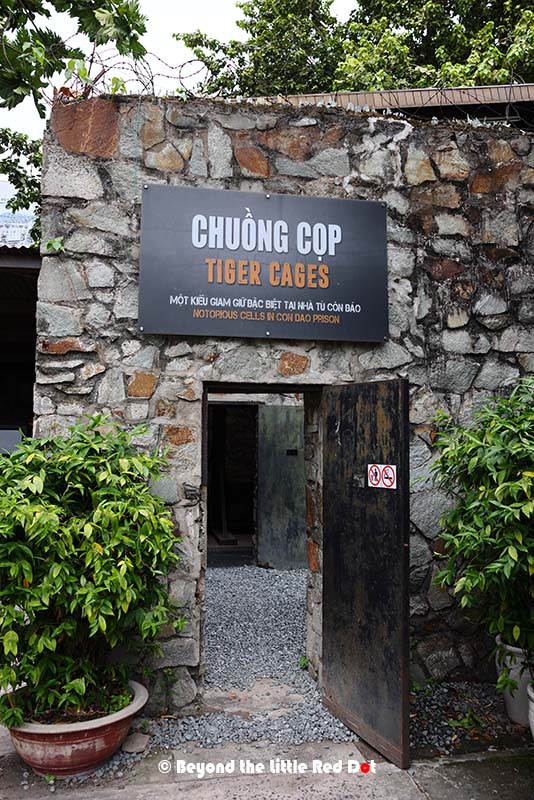
Tickets cost around VND 40,000 (about SGD 2) and can be bought at the entrance or online; I purchased mine online and was able to skip the ticket queue at the gate. Inside, one section also includes a faithful replica of the prison on Con Dao Island, used first by the French and later during the Vietnam War, which immediately brought back memories of my own visit there. You can read more about that grim chapter in my post on
Con Dao Island.
Independence Palace
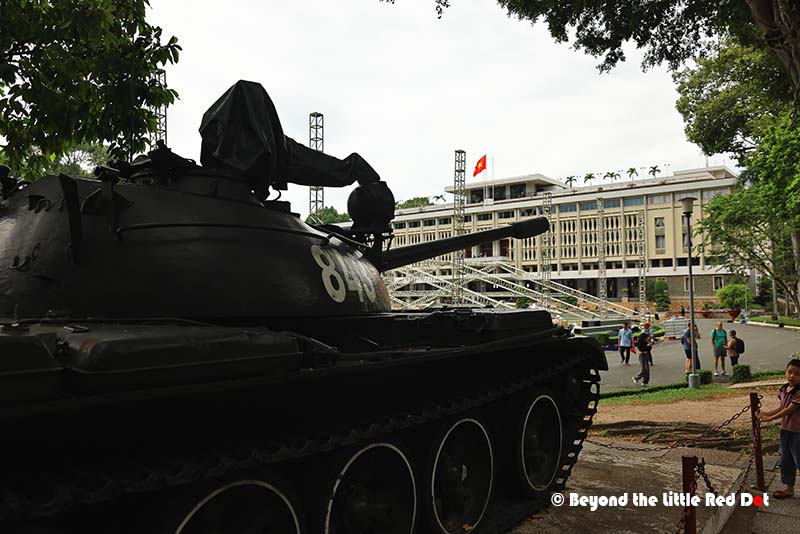
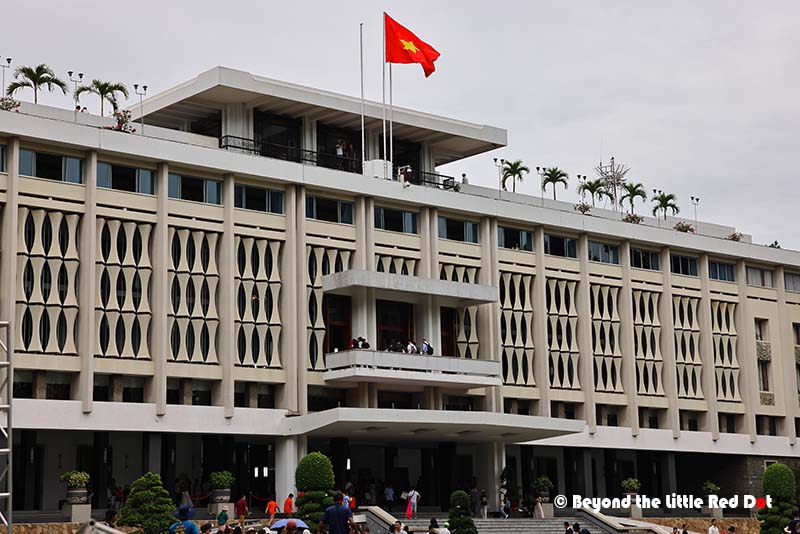
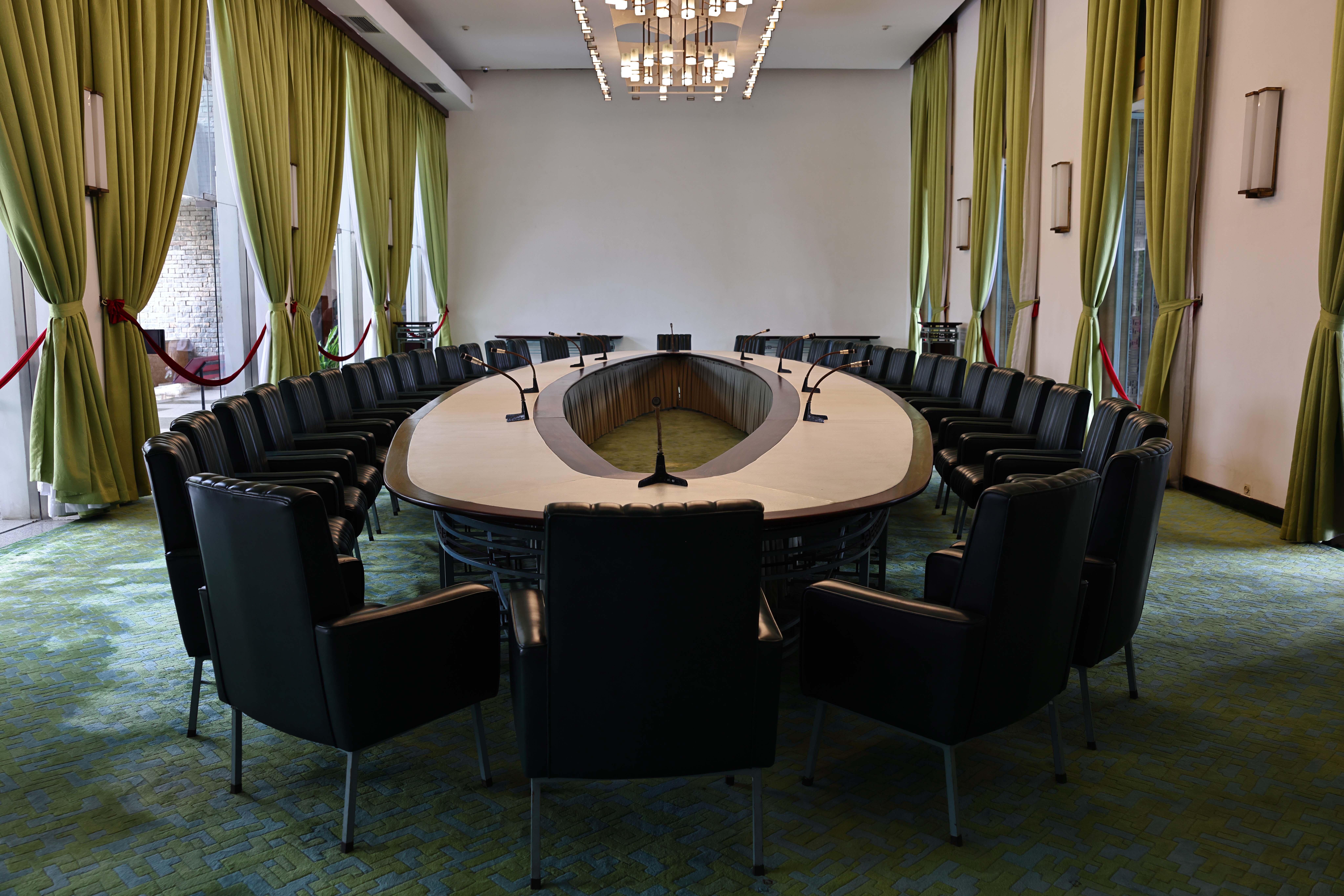
A short walk from the War Remnants Museum is the Independence Palace, the former presidential palace of South Vietnam before its fall in 1975. This is where North Vietnamese tanks famously crashed through the front gates, an image that has come to symbolise the fall of Saigon and the end of the Vietnam War. Today you can wander through the preserved meeting rooms, private quarters and underground bunkers, which feel like a 1960’s time capsule frozen at the moment power changed hands. Tickets can also be bought online and cost around VND 80,000 (about SGD 4), which saves you from queueing at the gate.
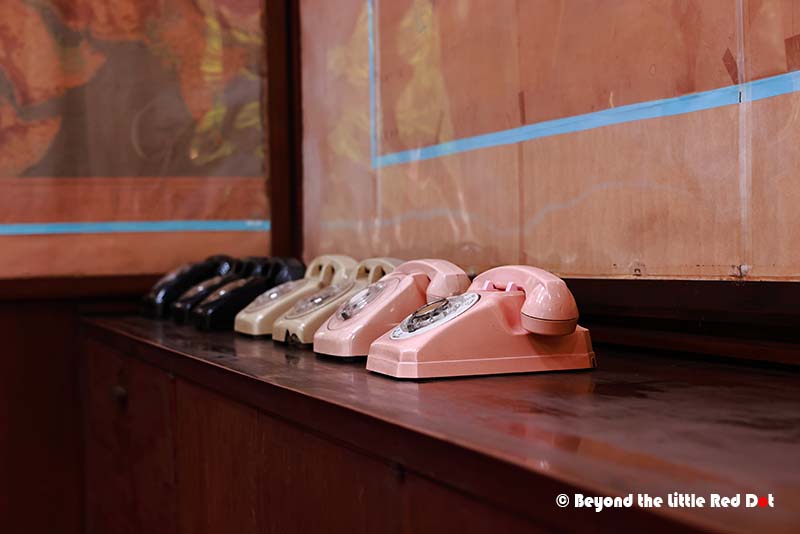
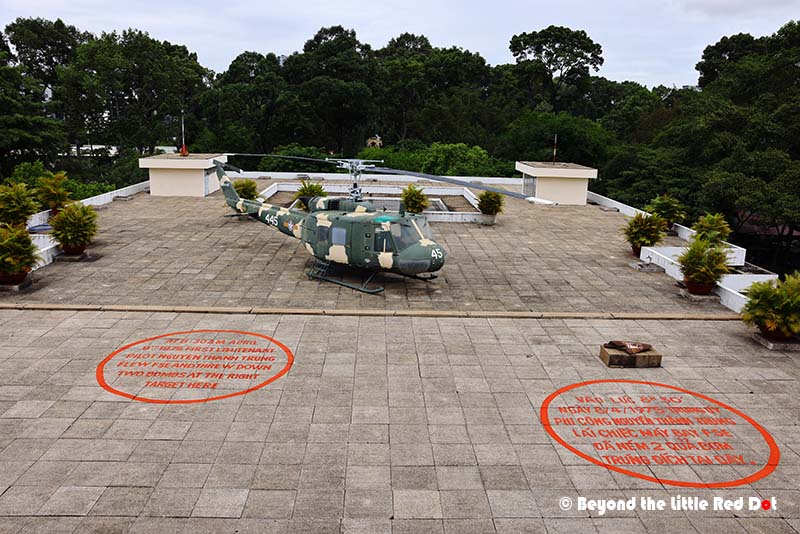
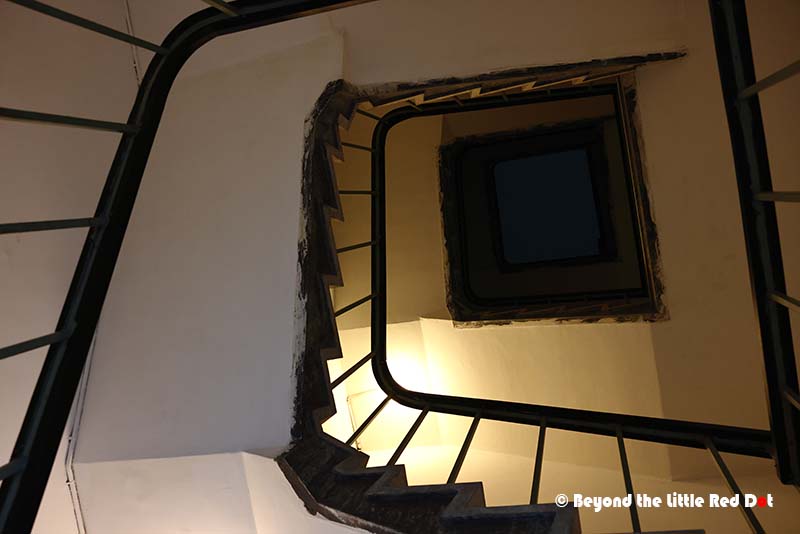
Both the War Remnants Museum and Independence Palace are extremely popular with visitors and can get crowded. Its best to visit in the morning when its cooler and the crowds are smaller. I bought my tickets online for both and it allowed me to skip the queue at the front. The tickets are valid for the day of visit for the War Remnants Museum, and for the Independence Palace, they are valid for a month from the date you bought the ticket. The tickets are in a QR code and you can print them out or show it from your phone at the scanner.
City Hall and Saigon Opera House
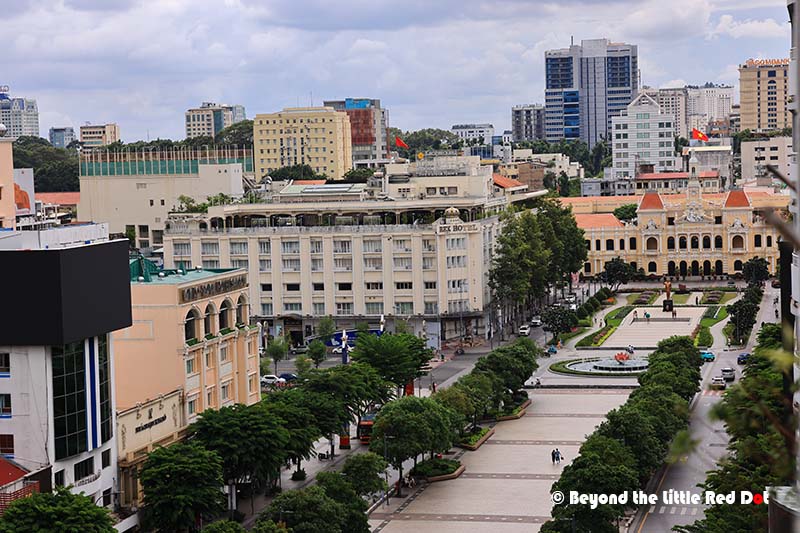
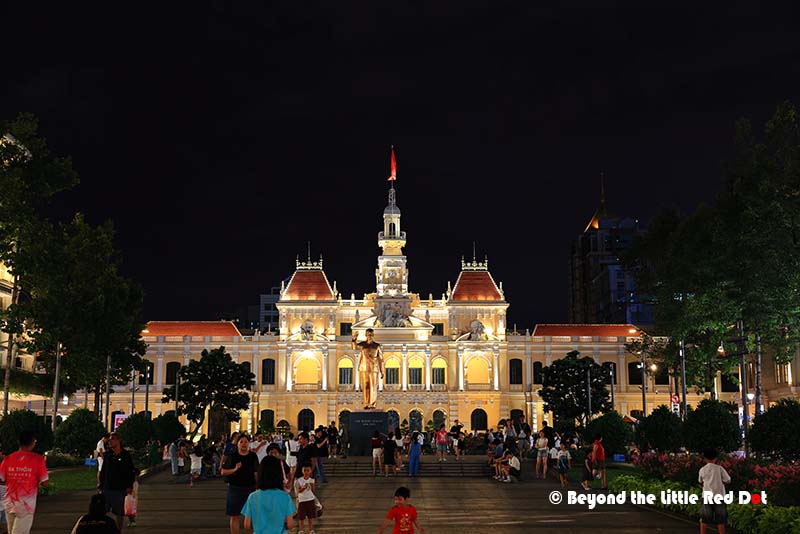
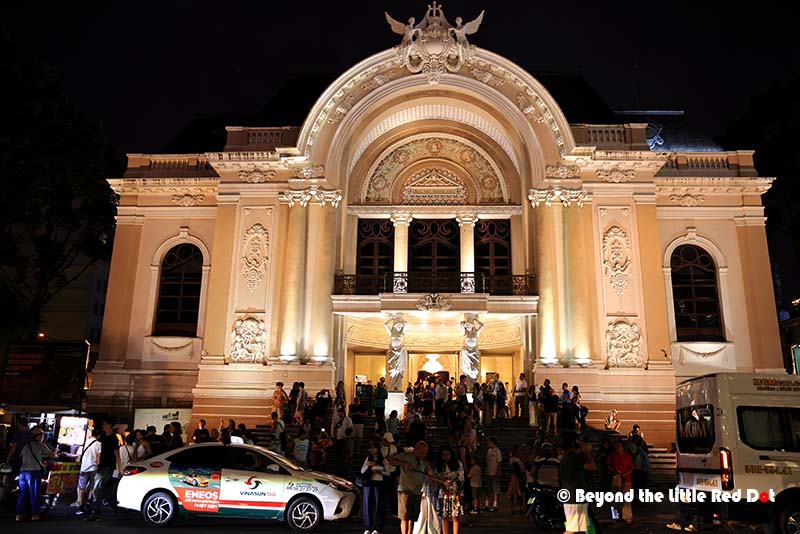
Officially known as the Ho Chi Minh City People’s Council and People’s Committee Head Office, Ho Chi Minh City Hall, is a stunning example of French colonial architecture, and offers a breathtaking visual experience despite being closed to the public. Built between 1898 and 1909, the building is a near-replica of the Paris City Hall, featuring a Neo-Baroque style with Renaissance influences. At night, the building is spectacularly illuminated, creating a mesmerizing view along Nguyen Hue Street. Similarly, the nearby Saigon Opera House, designed by Eugene Ferret in 1898, mirrors the Petit Palais in Paris, with its elegant facade showcasing intricate stone-carved ornaments and imported French materials that capture the architectural grandeur of the French colonial era.
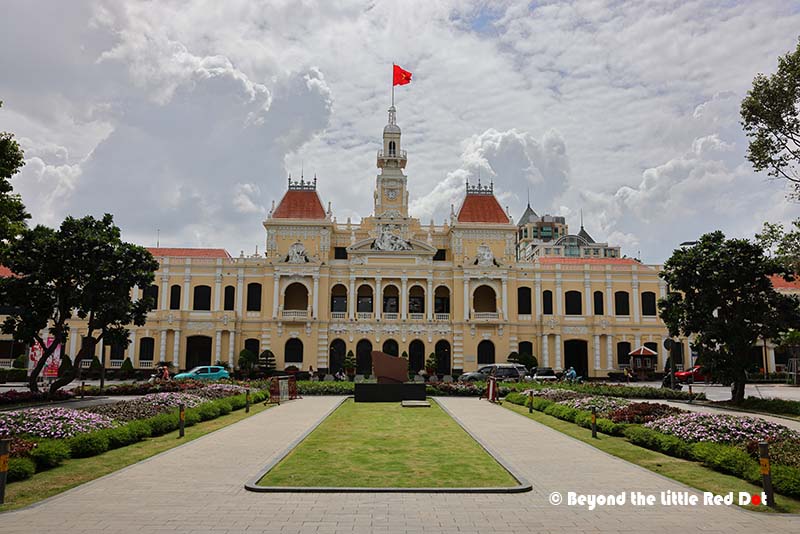
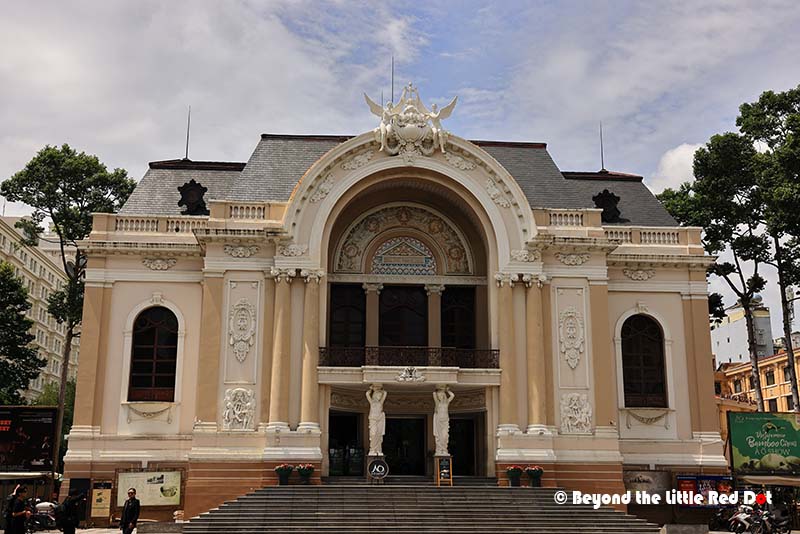
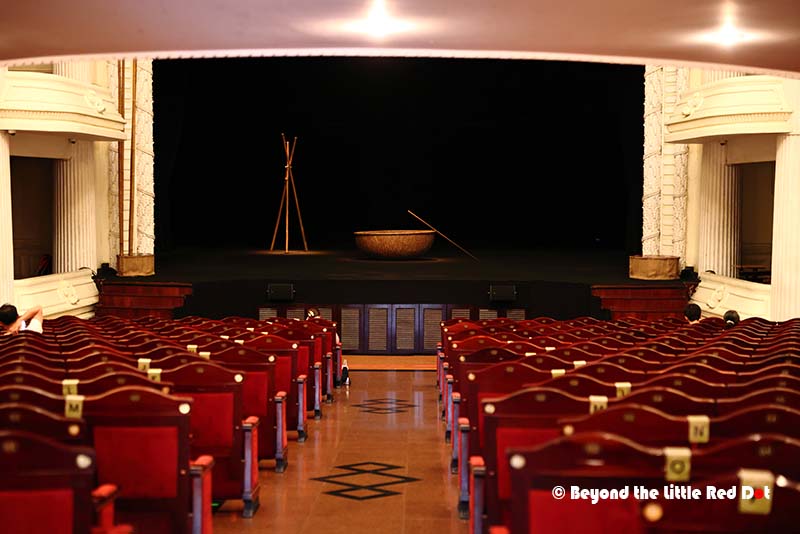
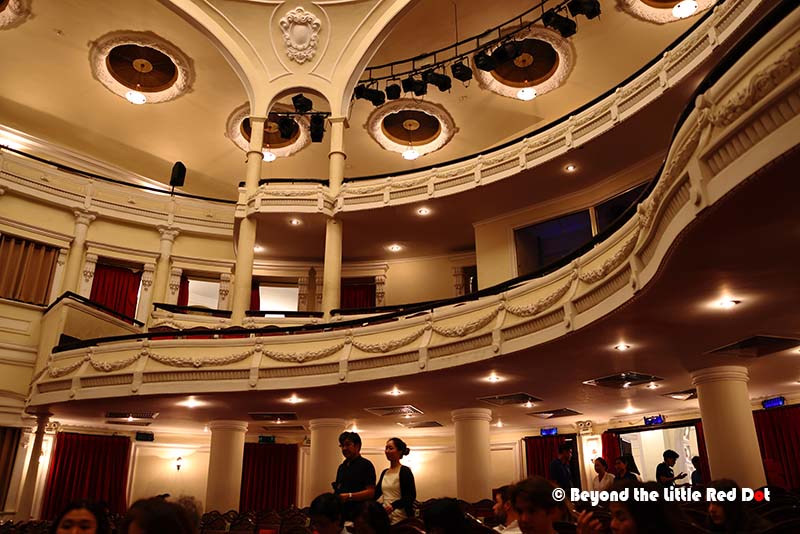
You won’t be able to enter City Hall as it’s still an active government building, but the Saigon Opera House is open to anyone with a show ticket. I booked a seat for the AO Show, a Vietnamese cultural and acrobatic performance that currently runs most evenings around 6 pm. The cheapest tickets start from about VND 800,000 (roughly SGD 36) per person, which I felt was reasonable for the quality of the production and the chance to experience the historic theatre from the inside.
Cafe Apartments
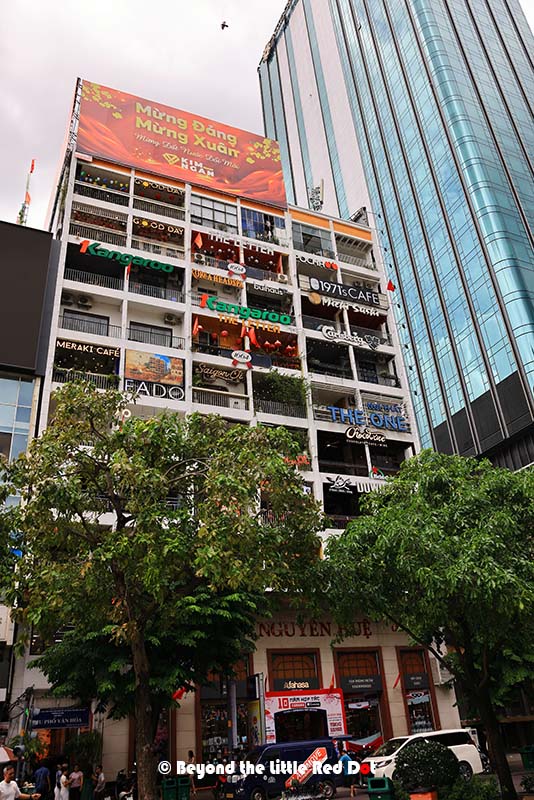
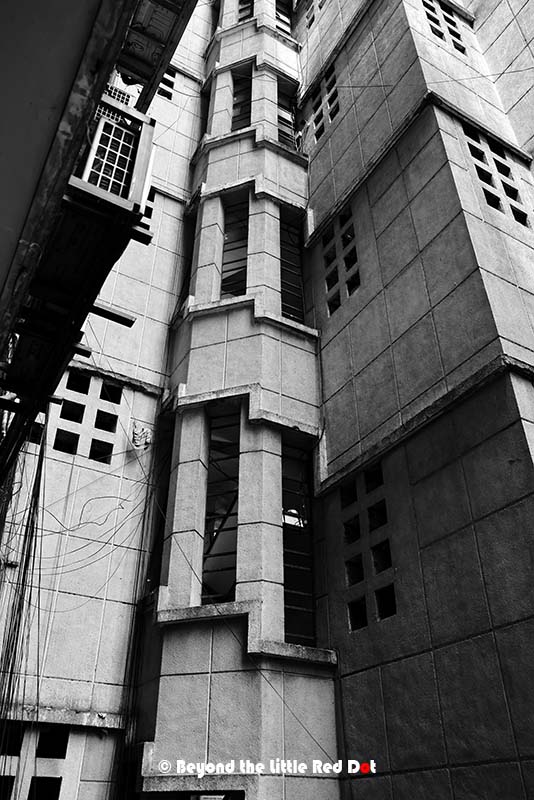
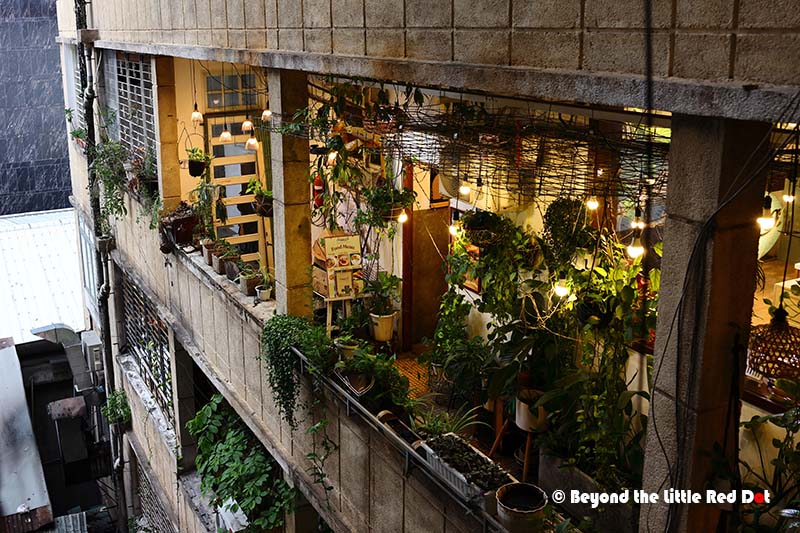
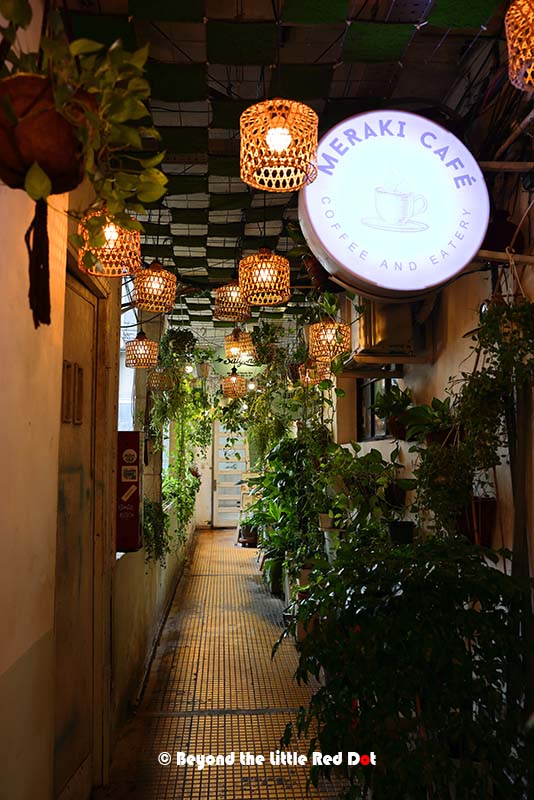
One of the more recent “viral” spots in Ho Chi Minh City is the Cafe Apartments on Nguyen Hue Walking Street. This old eight‑storey apartment block has been given a new lease of life, with tiny cafes and boutique shops now occupying most of the former flats. From the outside, the jumble of colourful signs and balconies creates a striking, almost collage like facade that looks especially good in photos, while inside each floor has its own mix of cosy corners and viewpoints over the boulevard.
Ben Thanh Market
This is perhaps the most famous market in Ho Chi Minh City with more than 1,500 stalls selling wholesale and retail from food to clothing and souvenirs. Its visited by both locals and tourists alike. The market has 4 main entrances with the main entrance under its iconic clock tower. I guess this is one of the places where everyone comes to buy something to bring home.

You can find almost anything here at Ben Thanh Market. Practice your bargaining skill before shopping here.
Bitexco Financial Tower
If you want to see Ho Chi Minh City from high up then a visit to the Sky Deck at the 49th floor of Bitexco Financial Tower is the way to go. This building was under construction during my previous visit, so this was something new to me. The Sky Deck offers a 360° view of the city and the Saigon River.


All these places that I’ve described above are located in District 1, making it really easy to cover them in a day since they are all within walking distance or a short ride in a taxi or Grab.
When the Sun Goes Down
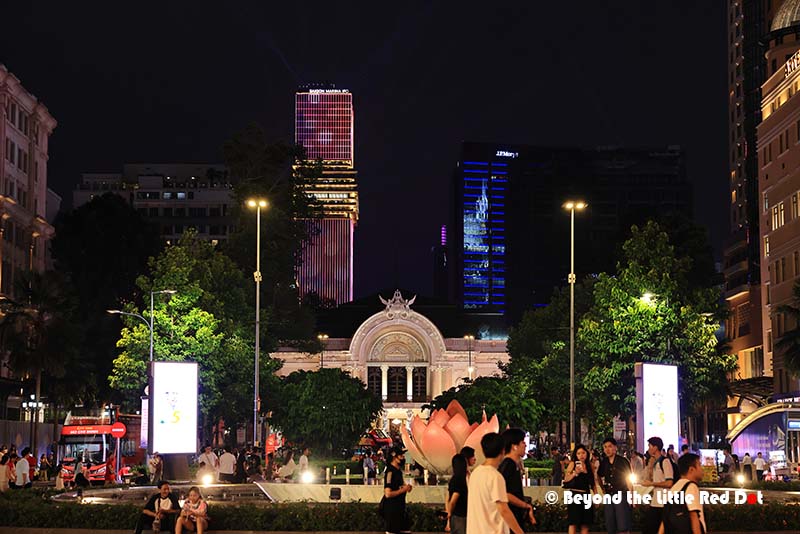
Nguyen Hue Street which stretches from the City Hall down to the Saigon River comes alive at night, especially on weekends and special events when vehicle traffic is blocked and its pedestrians only.

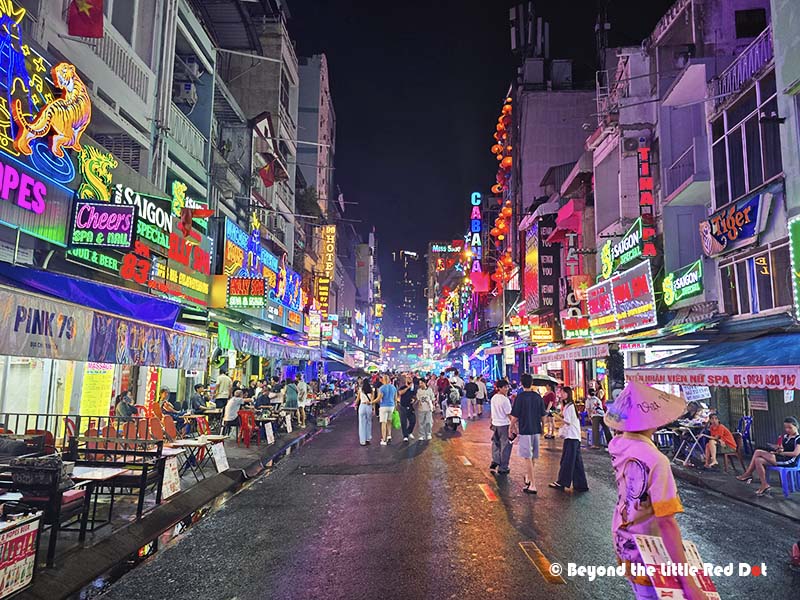
Bui Vien Walking Street
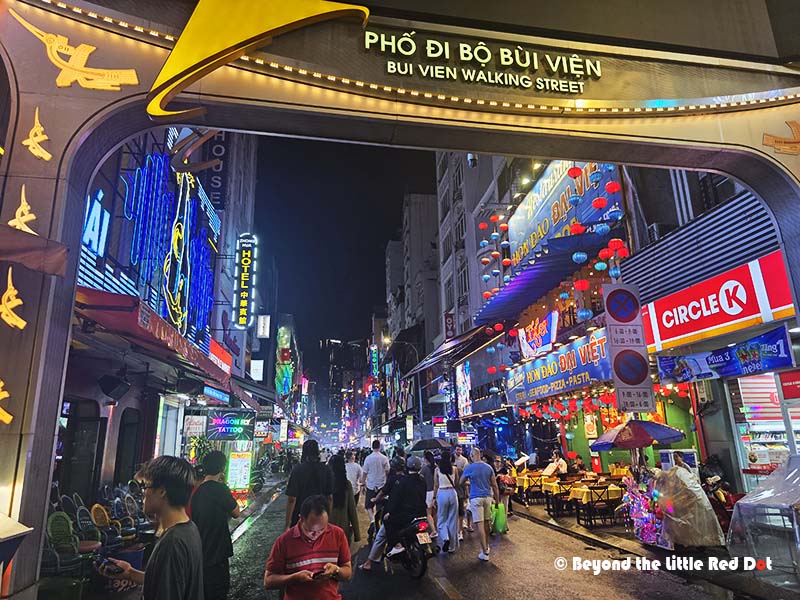
Bùi Viện is Ho Chi Minh City’s classic backpacker and nightlife street. By day it looks like any other busy inner‑city road, but once evening comes it is closed to traffic and turns into a full‑blown walking street. Pubs and restaurants spill onto the pavement, neon signs blaze to life, music competes from every direction and street performers work the crowd, creating a noisy, chaotic but undeniably lively end to the night.
Some Notable Sights
Visit a Koi Cafe
There are several themed cafes in Ho Chi Minh City and one of these are the Koi Cafes where patrons sit in sunken seating areas in a pond while koi fish swim just beside them. I visited one called the Oasis Cafe which seems to be popular with tourists and locals. Its located near the airport in District 10 and was reachable by taking a Grab ride.


Chinatown
The Chinatown of Ho Chi Minh City is located in District 5 and is one of the world’s largest Chinatowns. Also called “Cho Lon” which translates to Big Market, it dates back to the 18th century when Chinese immigrants fleeing political turmoil established themselves here. There are many street markets, temples and clan assembly halls here to visit.


Secret Weapons Bunker
If you like trapdoors and secret passages then you will like the Secret Weapons Bunker. This unassuming shophouse in District sits between other houses, but it hides a remarkable secret of the Vietnam War. Under the house is a secret bunker which once stored nearly 2 tons of weapons and played a crucial role in the 1968 Tet Offensive. Its now a museum and entry is free, although there seems to be no official opening hours and they seem to cater to the local motorbike tour groups. If you are an independent tourist like me then you can try squeezing in between groups. There is a small cafe just across the alley where you can get a refreshing drink after all that exploration.


Landmark 81
This is the tallest building in Ho Chi Minh City and Vietnam. Standing at 461 m in height, its also among the world’s tallest buildings at 17th position,. The building’s design is inspired by bamboo, a symbol of strength in Vietnamese culture. Landmark 81 is located in District 2 and can be easily reached by taking a Grab ride.


Outside the City
Cu Chi Tunnels
Of course any visit to Ho Chi Minh City has to include the notorious Cu Chi Tunnels. These tunnels form an extensive network of interconnected bunkers, hospitals, kitchens and meeting rooms. First built during the 1940’s during the Indochina War against French colonialists, the tunnels were expand during the Vietnam War stretching from the outskirts of Ho Chi Minh City to the Cambodia border. The tunnels formed a vast communications network and served as hiding spots for the Viet Cong during combat with American forces. The Cu Chi Tunnels are 70 km outside Ho Chi Minh City and there are many local tours that can arrange to bring you there. I had skipped the tunnels this time, and these photos are from my previous visit.


Incense Village
Nestled 20 kilometers west of Ho Chi Minh City lies Le Minh Xuan, a charming village steeped in tradition. You can find small cottage industries here producing the traditional incense sticks that Vietnamese use for prayers. Although these factories are on a much smaller scale and not as famous as their more touristic counterparts in Hanoi, they offer an authentic rustic experience.


Getting Around
It used to be that taxis were the only realistic way for tourists to get around Ho Chi Minh City, but ride‑hailing apps like Grab have changed that. I now mostly book rides through the app and pay by credit card, which is far more convenient than fumbling with cash and worrying about being overcharged.
The opening of the first metro line has also made it easier to move between some of the main sights. On this trip I took Metro Line 1 from Ben Thanh to Opera House, which I suspect will be the most common journey for visitors since both stations are in District 1 and serve many of the city’s key attractions. Buying a ticket was straightforward: the machine issued a small paper ticket with a QR code, which I scanned at the gates, and I could pay the VND 6,000 fare by credit card.
First impressions are that the metro is modern but not yet perfect. The stations I used relied mostly on stairs and escalators, so they are not very friendly for wheelchair users or travelers with limited mobility. The trains are new and clean, but train intervals can feel long. At Ben Thanh, the terminus, I waited about 10 minutes before the train departed. For now the metro feels more like a useful extra option layered on top of taxis and Grab, rather than a high volume people mover, but it already hints at how different future visits to Saigon might feel once more lines open.
1 Day Itinerary Covering District 1
Start the day early and spend your time reliving the recent history of Vietnam as seen through the eyes of its own people rather than a Hollywood war movie.
- 8.30am-10.00am: War Remnants Museum
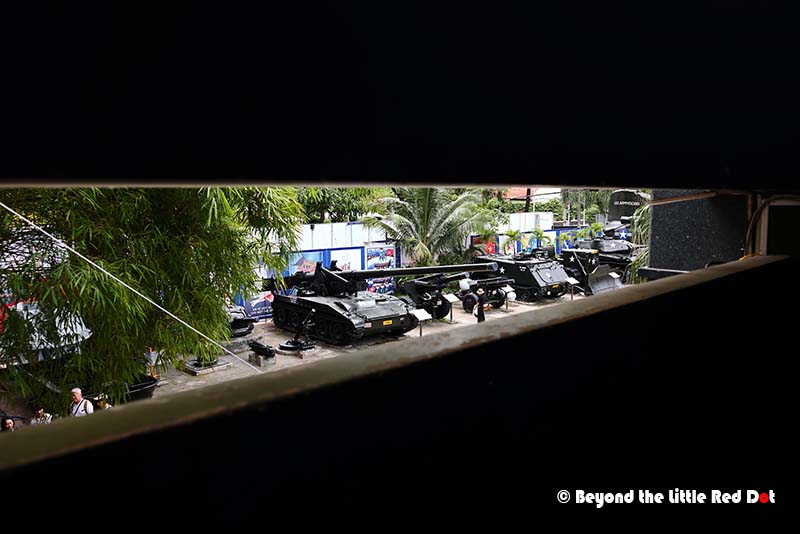
Its a small museum with outdoor displays of military hardware and 3 floors of air-conditioned galleries. Old war photos are displayed and do show gruesome scenes of death and mangled dead bodies, so be prepared. - 10.00am-12.00pm: Independence Palace
The former presidential palace of the South Vietnamese government. there are state rooms, the rooftop with a replica helicopter and an interesting underground war bunker.
These 2 locations are within 10 minutes walking distance to each. Depending on your interest level, you will need roughly 1.5-2 hours for each location. I think the Independence Palace needs a longer time as its much larger with more rooms to cover.
- 12.00pm-1.30pm: Cathedral and Saigon Central Post Office
The Notre Dame is still closed for restoration work, so stroll past and visit the Central Post Office. You can buy postcards here and mail it back home. Walk over to the nearby Book Street where you can browse the bookshops and have lunch at one of the cafes. - 1.30pm-3.00pm: Ben Thanh Market and Saigon Square
Head to the city’s most famous market and shop for souvenirs, snacks and people watching. Make sure to bargain hard as that’s expected. Walk over to the nearby Saigon Square where you can find knock-offs of almost every major clothing and shoe brand, plus its air-conditioned. This can be a really good respite from Ben Thanh Market which is just naturally ventilated. - 3.00pm-4.00pm: Metro from Ben Thanh to Opera House
Take the metro from Ben Thanh and get off at Opera House. You can admire the French colonial architecture of the Opera House, City Hall and several other buildings which have been converted into hotels and high end boutiques. - 4.00pm-5.30pm: Cafe Apartment
Visit the quirky Cafe Apartment, have a coffee break and browse the various boutiques. Its recommended to start at the highest floor and work your way down. There is only one very ancient lift which you have to pay a small fee to squeeze into it with many other tourists, and hope it doesn’t breakdown. I think taking the stairs is a better option.
If you have booked the AO Show then you have the opportunity to enter the Opera House and enjoy its opulence.
- 6.00pm-7.00pm: AO Show at the Opera House
Enjoy complementary drinks and catch some exciting acrobatics and cultural performances. - 7.00pm-9.00pm: Nyugen Hue Walking Street
If you are here during the weekend then Nyugen Hue Street is pedestrians only in the evening. Walk down the street and take photos of the illuminated City Hall and various buildings. You can also revisit the Cafe Apartment for a night time view of the city. There are also numerous restaurants nearby where you can have your dinner. - 9.00pm-Late: Bui Vien Walking Street
If you are still not tired after all the day’s activities, then take a Grab ride to Bui Vien Walking Street to catch the hedonistic nightlife that Ho Chi Minh City has to offer.


Brings it all back; such a vibrant city. Crossing the street was definitely one of the most interesting challenges!
That opening shot provides a great idea of the rapid economic growth of Vietnam. Compared to when I first went in 2011, Saigon’s skyline today has definitely changed quite dramatically. Too bad when I visited for the second time the MRT line was not open yet.
Yes it has developed rapidly since my last visit more than 10 years ago.
Great photographs and review of Ho Chi Minh City, Edwin 😊! Last time I was there was at the end of the 90s, and I remember it as a sleepy, but beautiful and charming city. I have to say, you’ve shown a city that has grown up in your opening shot and I am a bit blown away from it all. Wonderful.
Thanks for the memories have plenty on it and Vietnam in my blog i visited the city and country every year from 2012 to 2018. Cheers